Bicycle Accident Lawyer Tips After a Dooring Accident
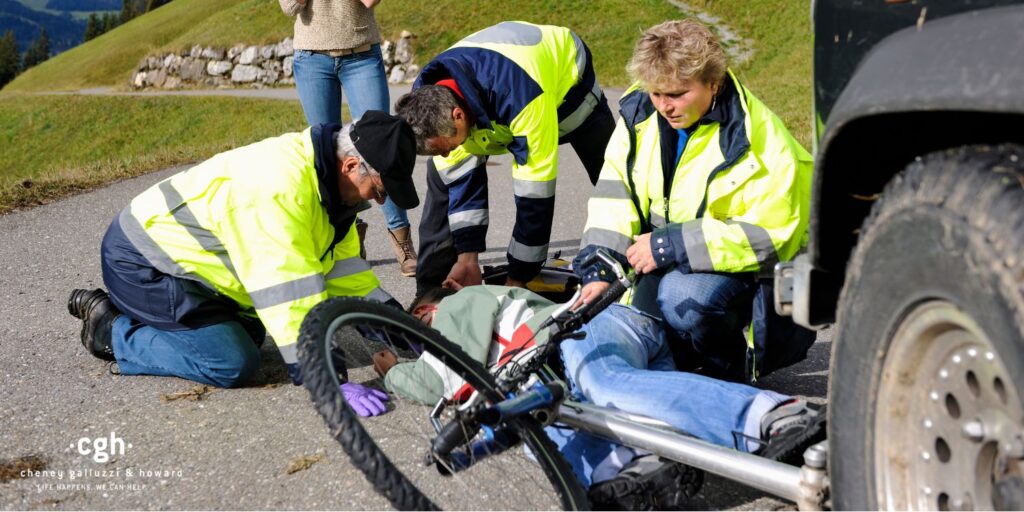
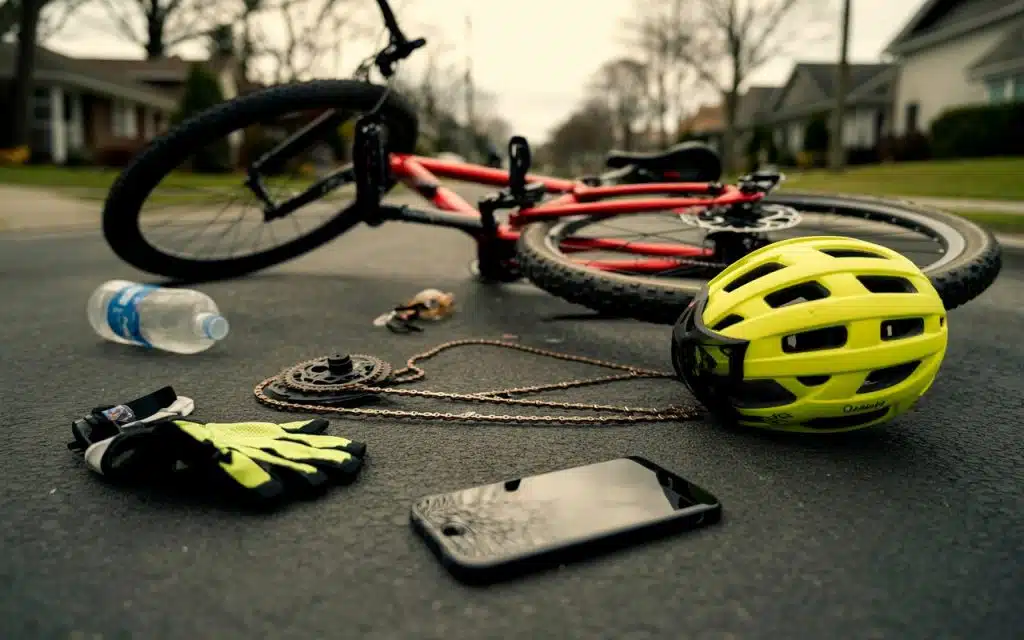
A dooring accident looks simple from the curb. A parked driver opens a car door into a cyclist’s path, the rider collides with it or swerves into traffic, and everyone starts talking at once. In practice, these claims are rarely simple. Injuries can be severe, fault can be disputed within minutes, and the evidence that matters most often disappears fast. I have seen cases where a clear dooring crash turned into a drawn-out fight because the rider left the scene without photos, accepted a casual apology as a substitute for insurance information, or did not realize that a painful wrist or shoulder was more serious than it seemed.
Dooring crashes are uniquely dangerous because the cyclist usually has almost no time to react. At city riding speeds, a person on a bike can cover several car lengths in a couple of seconds. An opened door becomes a rigid barrier exactly where the rider needs a clear lane. If the cyclist strikes the door, the body absorbs the force directly. If the cyclist swerves to avoid the door, the result can be worse, especially when a moving car, bus, or truck is beside the bike lane.
If you are dealing with the aftermath, good legal advice matters early. A Bicycle Accident Lawyer can help preserve evidence, identify every potentially responsible party, and prevent common insurance traps. Just as important, there are things you can do yourself in the first hour, the first week, and the first month that can materially improve the outcome of a claim.
Why dooring cases deserve immediate attention
The public tends to treat dooring as a minor street mishap. Emergency doctors, orthopedic surgeons, and trial lawyers usually do not. A direct impact with a car door can break a collarbone, fracture a hand, tear the rotator cuff, or cause facial injuries even when the rider wore a helmet. When the rider is thrown into traffic, the mechanism of injury changes from a fall to a secondary collision, and that can mean head trauma, spinal injuries, internal bleeding, or multiple fractures.
There is also a legal reason to move quickly. The facts that prove a dooring case are highly perishable. The vehicle often leaves. Witnesses scatter. Nearby stores overwrite security video within days. The position of the bike, the angle of the door, the distance from the curb, and the lane markings can all matter. Once those details are gone, insurance adjusters tend to fill the gap with whatever version helps them most.
I have also seen a recurring problem in city cases. The driver may insist the cyclist “came out of nowhere,” while the cyclist insists there was no time to stop. Both statements can feel true to the people saying them. That is why physical evidence matters more than memory. A bent door edge, paint transfer, skid marks, GPS ride data, helmet damage, and street camera footage often tell the story more reliably than either person can.
What the law usually expects from people opening car doors
Many states and municipalities impose a basic duty on drivers and passengers not to open https://trevoryfbo408.unionquill.com/posts/bicycle-accident-lawyer-support-for-families-of-injured-riders a vehicle door unless it is reasonably safe to do so and can be done without interfering with moving traffic, including bicycles. The exact wording varies by jurisdiction, but the principle is stable: before opening a door into a travel lane or bike lane, the person opening it must check for approaching traffic.
That duty can apply to more than the driver. A passenger who swings open a rear door without looking may be liable. A rideshare situation can complicate matters further because there may be questions about the driver’s conduct, the passenger’s conduct, and the insurance available through the vehicle owner or transportation platform. Commercial vehicles add another layer. If the car was being used for work, an employer may become relevant depending on the facts.
Still, no experienced Bicycle Accident Lawyer will tell you that liability is automatic. Insurers often argue comparative negligence. They may claim the cyclist was riding too fast for conditions, too close to parked cars, outside the bike lane, against traffic, or without proper lighting after dark. Some of those arguments are weak in a strong dooring case, but they need to be answered with evidence, not outrage.
The first hour after a dooring crash
Most riders are shaken and embarrassed immediately after impact. Adrenaline is deceptive. A person with a fractured wrist can still pick up a bike. Someone with a concussion can sound calm and coherent. That first hour is not the time to minimize what happened.
If you are physically able, focus on five tasks:
- Get to a safer spot and call for medical help and police if there is any significant injury, head impact, loss of consciousness, or traffic hazard.
- Identify the vehicle, the driver, and anyone who opened the door. Get names, contact information, license plate, insurance details, and if possible a photo of the driver’s license and insurance card.
- Photograph everything, including the open door, the vehicle position, your bicycle, injuries, the street layout, lane markings, parked cars, and any visible debris or skid marks.
- Speak briefly with witnesses and ask for their names and phone numbers before they leave.
- Do not debate fault at the scene or accept cash to make the problem disappear.
That last point matters more than people think. Drivers sometimes offer a few hundred dollars for a damaged wheel or torn jacket because they assume the matter is minor. Several days later, the rider learns there is a broken scaphoid, a displaced clavicle, or a concussion that keeps them out of work. Once an informal side deal is made, recovering the true cost becomes harder.
The medical piece is not separate from the legal piece
A dooring claim rises or falls in part on the medical record. That does not mean you should chase treatment to build a lawsuit. It means you should get properly evaluated and follow through. Gaps in care are one of the first things insurers seize on. If you tell urgent care your pain is a two out of ten, skip the orthopedic referral, and then three weeks later report major limitations, the defense will say the injury is exaggerated or unrelated.
Certain injuries are easy to miss at first. A scaphoid fracture may look like a bad sprain. A labral tear in the shoulder can present as soreness before turning into persistent weakness and instability. Concussions are routinely underreported by cyclists who never lost consciousness and think they merely got “rattled.” If you have headache, light sensitivity, nausea, dizziness, memory issues, visual disturbance, or unusual fatigue after the crash, mention it. If a door struck your hand, shoulder, or knee directly, mention that mechanism too.
Keep your records organized from the start. Save discharge papers, imaging reports, prescriptions, receipts for medication, repair estimates, work restriction notes, and mileage to appointments. Those details become part of the damages picture. In straightforward cases, they help support settlement. In disputed cases, they show the claim is real and documented.
The evidence a Bicycle Accident Lawyer wants preserved
By the time a rider speaks with counsel, small but important evidence is often already gone. Bikes get repaired. Clothing gets washed. Metadata disappears when photos are resent. Security footage is overwritten. A strong case can still survive, but avoidable proof should not vanish.
A Bicycle Accident Lawyer will usually want the bicycle left unchanged until it can be photographed and, in some cases, inspected. That includes the bent wheel, damaged handlebars, scraped saddle, broken lights, or gouges that line up with the car door. The same goes for the helmet, gloves, torn jacket, and shoes. Those items can corroborate the direction of impact and the force involved.
Your phone may hold more than you realize. Photos and videos often contain timestamps and location data. Fitness apps and cycling computers may show speed, route, and stopping points. Text messages sent immediately after the crash can later support timing and symptoms. Even a rideshare pickup history can matter if you left the scene by car because the bike was not rideable.
If there were nearby businesses, apartment buildings, buses, or traffic cameras, video requests should go out quickly. Some systems keep footage only a few days. Others retain more, but not indefinitely. A prompt preservation letter from counsel can make the difference between a clear liability clip and no video at all.
Common insurance defenses after a dooring accident
Insurance companies do not need a perfect defense to reduce a claim. They need a plausible one. In dooring cases, a few themes appear repeatedly.
One is visibility. The insurer may argue the cyclist should have seen movement inside the parked vehicle and anticipated the door. That sounds reasonable until you remember how urban riding actually works. A rider scanning every mirror and shoulder line on a row of parked cars while also watching intersections, pedestrians, potholes, and moving traffic has limited reaction time. Anticipation is not the same as telepathy.
Another is lane position. Adjusters often say the rider was “too close” to parked cars. Sometimes there is a fair factual issue there. Experienced cyclists know the door zone is dangerous and, when safe, give it space. But real streets are messy. Bike lanes are sometimes painted directly in the door zone. Traffic may narrow the rider’s available line. Debris may force a temporary shift. A clean legal analysis has to account for the actual roadway, not a hypothetical perfect lane.
A third defense involves speed and control. If the rider was descending, sprinting, or using an e-bike, the insurer may say the crash was unavoidable only because the cyclist was moving too fast. Speed can matter, but it is not a magic word that defeats liability. The relevant question is whether the person opening the door acted reasonably given the presence of foreseeable bicycle traffic. On many city streets, cyclists are not rare or surprising. They are expected users of the road.
When fault is shared, the case is not over
Many injured riders assume that if they made any mistake at all, they have no claim. That is often wrong. In many states, comparative negligence rules allow recovery even when the cyclist bears some share of fault, though the amount may be reduced. The exact standard depends on local law, and in some places a rider can be barred from recovery if their percentage of fault crosses a threshold. This is one reason local legal advice matters.
From a practical standpoint, shared-fault cases are won by details. Was the bike light on at dusk. Where exactly was the rider in relation to the parked cars. Was the bike lane blocked. Did the driver or passenger open the door abruptly. Was there a second impact with a moving vehicle. Did the police report note witness statements or simply repeat what one party said. These facts can move percentages significantly.
I once saw a case where the insurer leaned heavily on the rider’s speed. Video later showed a delivery van partially obstructing the bike lane, forcing the cyclist slightly left just before a passenger opened a rear door. The speed issue did not vanish, but it became a minor point beside a clearer story of blocked roadway and unsafe door opening. That is how real claims often evolve. The first story is rarely the final one.
Special issues with passengers, rideshares, and work vehicles
Dooring is not always about one negligent driver. A rear-seat passenger may throw open a door into the bike lane without any warning from the driver. If it is a taxi or rideshare vehicle, there may be arguments about the driver’s duty to stop in a safer location, activate hazards, or warn passengers before unloading into bicycle traffic. Insurance coverage can also become more layered.
Commercial contexts bring even more complexity. A courier vehicle, service van, or municipal vehicle may implicate an employer, a fleet insurer, or notice requirements that differ from an ordinary car claim. Claims involving government entities can trigger shorter deadlines and procedural rules that catch people off guard. Waiting too long to investigate can be costly.
This is where a seasoned Bicycle Accident Lawyer earns their fee. The goal is not simply to identify the person who opened the door. It is to identify every viable source of recovery and every policy that might apply, then build a record before the easy evidence disappears.
Damages are more than the emergency room bill
People often undervalue these cases by focusing only on the first stack of medical invoices. A dooring injury can affect income, mobility, and daily life for months. A self-employed rider who cannot type, lift, or commute may lose projects even if they never receive a formal disability note. A parent with a shoulder injury may need paid help for tasks they previously handled alone. A cyclist with post-concussion symptoms may struggle at work long after the bruises fade.
Property loss matters too. High-quality bicycles, wheelsets, helmets, lights, computers, and panniers add up quickly. Carbon damage can be difficult to evaluate without a proper inspection. Do not guess. Get a reputable shop’s written estimate, and if the frame may be compromised, ask for a detailed explanation.
Pain and suffering is the least precise category, but it is still real. A rider whose main exercise, commute, and stress relief disappears for six months has sustained a loss that does not fit neatly on a receipt. Good documentation helps. A simple contemporaneous journal noting pain levels, sleep disruption, missed rides, work limitations, and daily frustrations can be persuasive because it is specific and ordinary, not theatrical.
Mistakes that make solid claims weaker
The most damaging errors are usually mundane. People delay treatment because they hope the pain will pass. They post a smiling photo from a family event and forget how easily it can be misread. They repair the bike before it is documented. They give a recorded statement while medicated, tired, or rattled. They assume the police report is accurate without reading it.
Here are the trouble spots I see most often:
- Waiting days or weeks to seek medical evaluation after a significant impact.
- Giving a detailed recorded statement to the other side’s insurer without legal advice.
- Throwing away damaged gear or repairing the bicycle too soon.
- Posting on social media about the crash, recovery, or physical activity.
- Accepting a quick settlement before the injury picture is clear.
A fast settlement is especially risky with orthopedic and head injuries. Some conditions stabilize in a few weeks. Others reveal their true cost only after imaging, physical therapy, and time away from work. Once a release is signed, reopening the claim is generally not an option.
How to choose the right lawyer for a dooring case
Not every personal injury practice understands bicycle cases well. That gap shows up in subtle ways. A lawyer who does not ride or has little experience with cycling claims may miss the significance of lane placement, road design, visibility patterns, helmet damage, or the practical difference between a painted bike lane and a protected one. They may also undervalue the property claim or fail to investigate whether the rider swerved because the door made a direct collision more dangerous than moving left.
Ask direct questions. How many bike cases has the lawyer handled. Have they dealt with dooring specifically. Do they understand local cycling infrastructure and traffic patterns. Who will actually manage the file day to day. What is the plan for preserving video and physical evidence. A good answer sounds concrete. It does not rely on slogans.
Local knowledge matters more than many clients expect. City blocks with heavy bike traffic often have repeat fact patterns, repeat insurers, and recurring surveillance sources. A lawyer familiar with those rhythms can move faster and make sharper decisions about what to request and whom to contact.
If the crash involved a secondary collision
Some of the worst dooring cases are not true “door only” impacts. The rider swerves, enters the lane, and is struck by a moving vehicle. Liability analysis becomes more complex because there may be claims against the person who opened the door and questions about the conduct of the moving driver. Was that driver speeding. Did they have time to brake. Were they distracted. Did the cyclist’s evasive action create an unavoidable emergency.
These cases require careful reconstruction and disciplined advocacy. The instinct of each insurer is to blame the other actor while minimizing the rider’s losses. That can actually benefit the injured cyclist if the claim is developed properly, because multiple policies may be involved. But it also means the factual record must be tight. The sequence of impacts, the points of contact, and the timing all matter.
When injuries are severe, counsel may also look at underinsured motorist coverage, depending on the policies in play and the jurisdiction. Riders are often surprised to learn that their own household auto policy may be relevant in some circumstances even though they were on a bicycle. That is another reason not to assume the only available insurance is the parked car’s policy.
The practical path forward
A dooring accident can leave a rider angry, shaken, and eager to put the whole thing behind them. That is understandable. The better path is slower and more deliberate. Get evaluated. Preserve the bike and gear. Gather witness and insurance information. Read the police report carefully. Avoid casual statements that box you into facts you are not yet sure about. Then speak with a Bicycle Accident Lawyer who understands cycling cases and the local rules that shape them.
The strongest claims are usually not the loudest. They are the best documented. They show how the crash happened, why the door was opened unsafely, what injuries followed, and how those injuries changed the rider’s life in concrete terms. When those pieces are built carefully and early, a dooring case becomes much harder to dismiss as just another city scrape between a bike and a car door. It is what it really is, a preventable collision with real consequences, and one that deserves to be taken seriously.
CGH Injury Lawyers
2701 Lawrence St Suite 201
Denver, CO 80205, United States
Phone: +1 720-669-8062
FAQ About Bicycle Accident Lawyer
Who is at fault if a car hits a bicycle?
Fault depends on the evidence and the traffic rules that applied to the collision. A driver, cyclist, or another party may share responsibility. Police reports, witness accounts, video, and the physical evidence can help establish what happened. A collision with a car does not automatically determine legal fault.
Can you sue someone for hitting you on a bike?
You may have a claim when another person's negligent conduct causes your injuries and losses. The available evidence, applicable deadlines, insurance coverage, and any shared fault affect your options. A lawyer can review the circumstances and explain whether an insurance claim or lawsuit is appropriate; compensation is not guaranteed.
What percentage does an injury lawyer usually take?
There is no single percentage that applies to every injury case. Many lawyers use a contingency fee based on a share of the recovery, with the terms stated in a written agreement. Ask how the percentage is calculated, whether it changes during litigation, and how case expenses are handled before signing.